Champagne Vineyard Villages Retreat
To slow down in Champagne’s villages, savoring intimate vineyard walks, grower tastings, and long picnics from a string of charming rural inns.
About This Trip
Trip at a glance
See the route before diving into daily details.
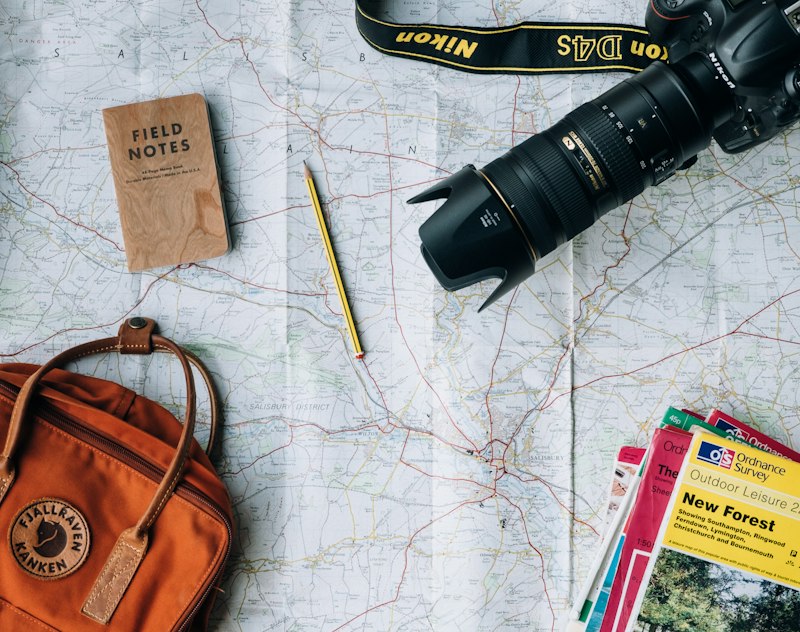
Trip Highlights
Trip Impressions
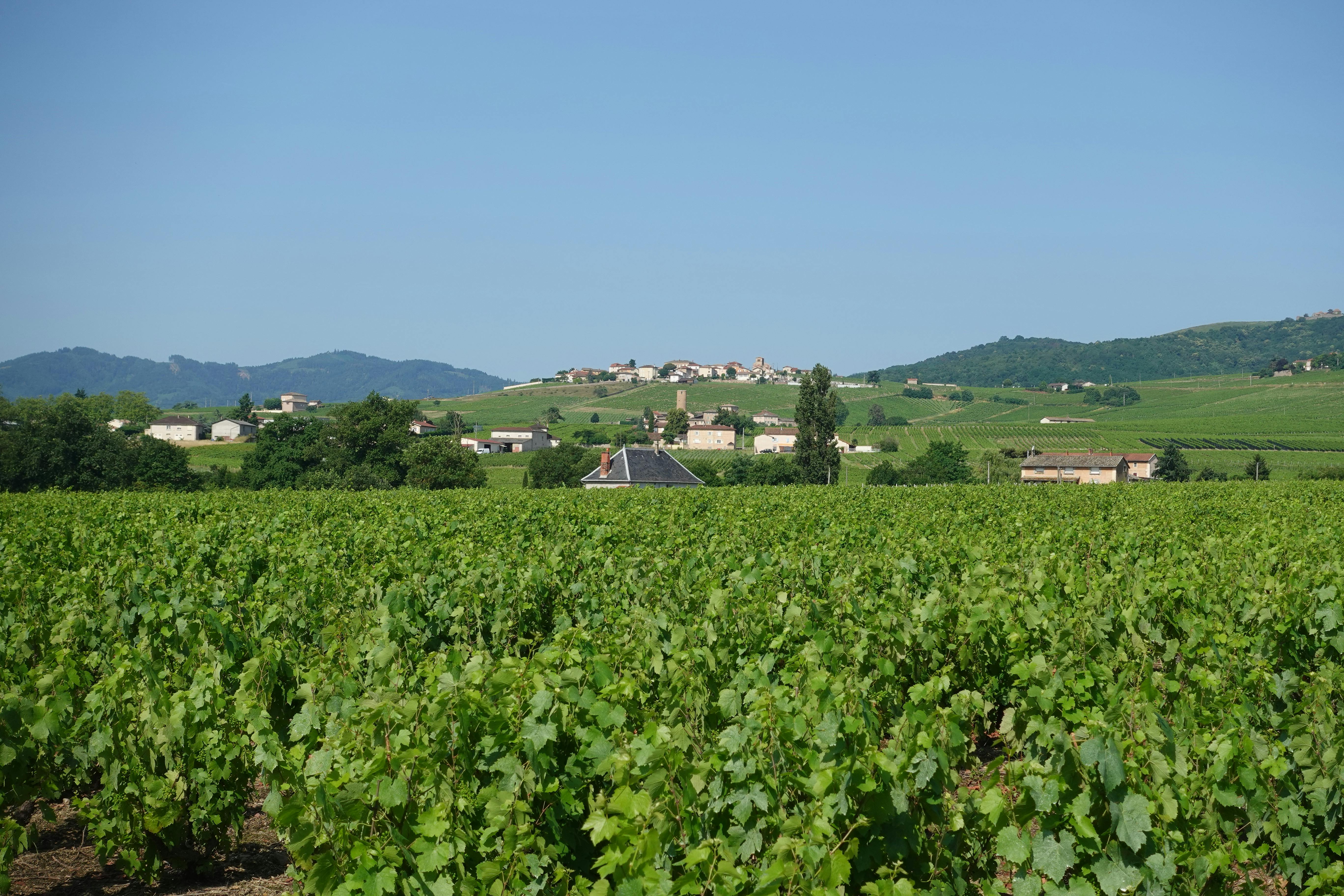 Photo: Kym Wilson
 Photo: Gu Bra
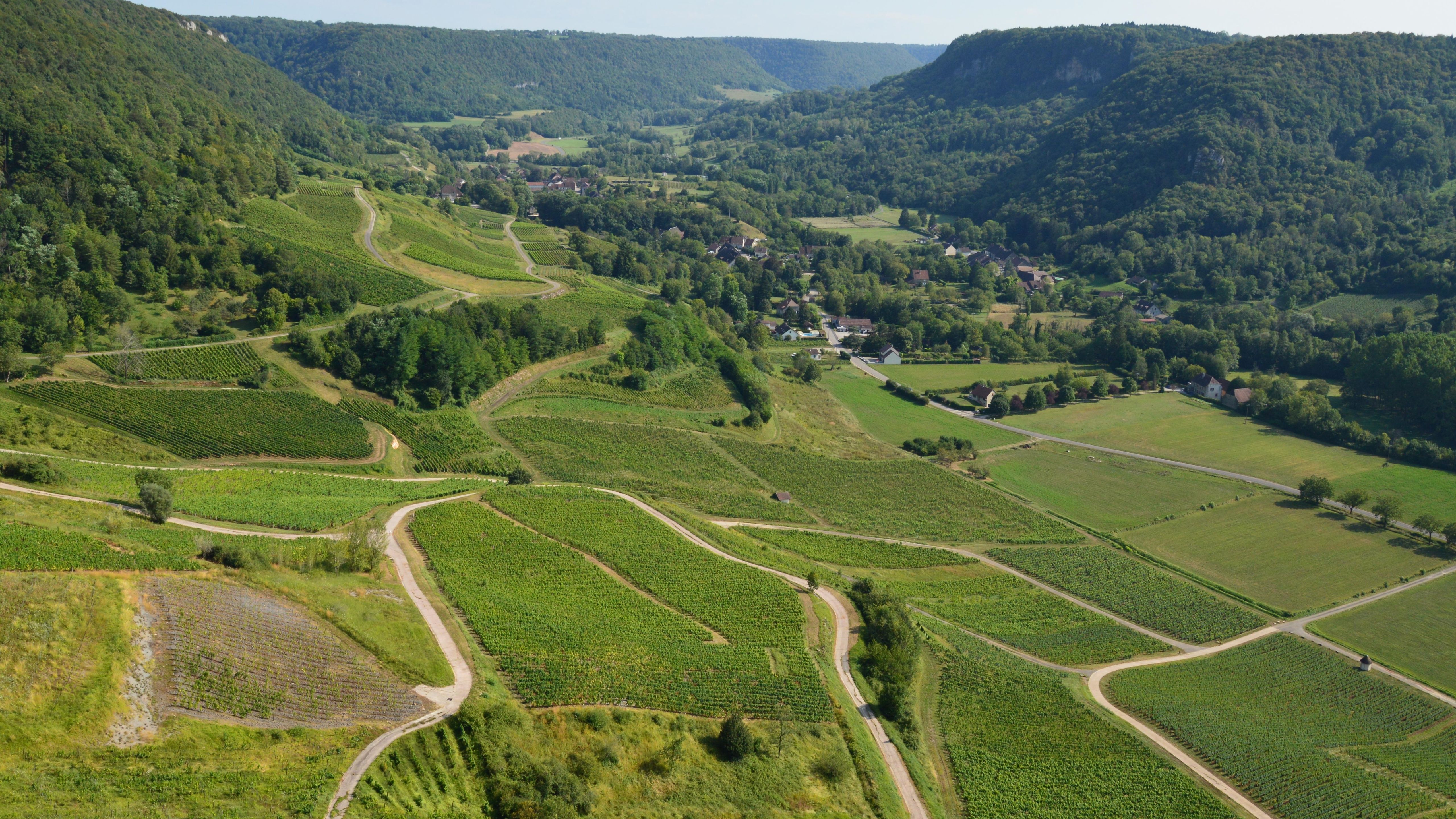 Photo: SlimMars 13
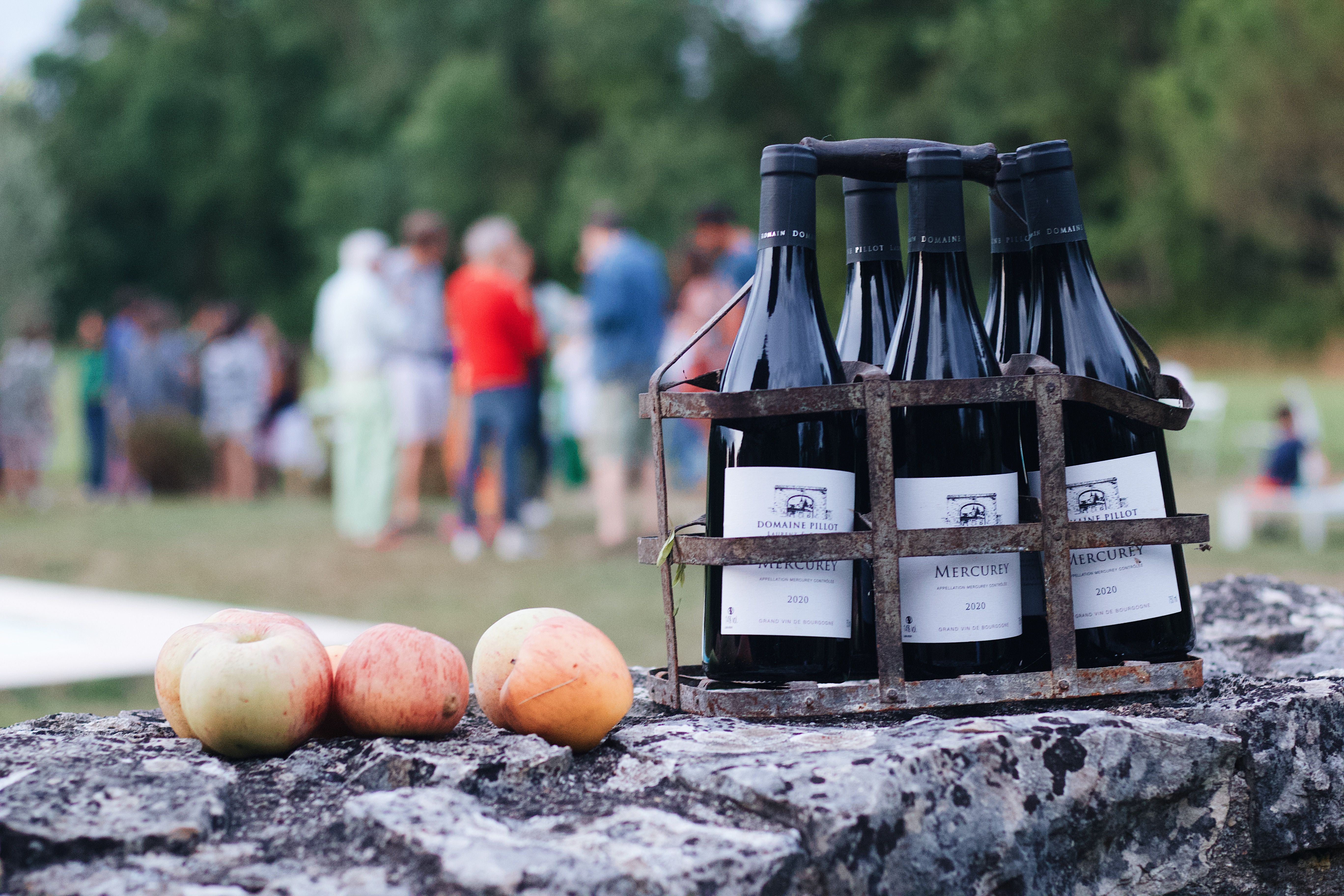 Photo: Maël BALLAND
 Photo: Matheus Guimarães
 Photo: SlimMars 13
 Photo: Polina ⠀
 Photo: Anastasia Lashkevich
 Photo: Maksim Goncharenok
 Photo: Olga Solo
 Photo: Tim Durand
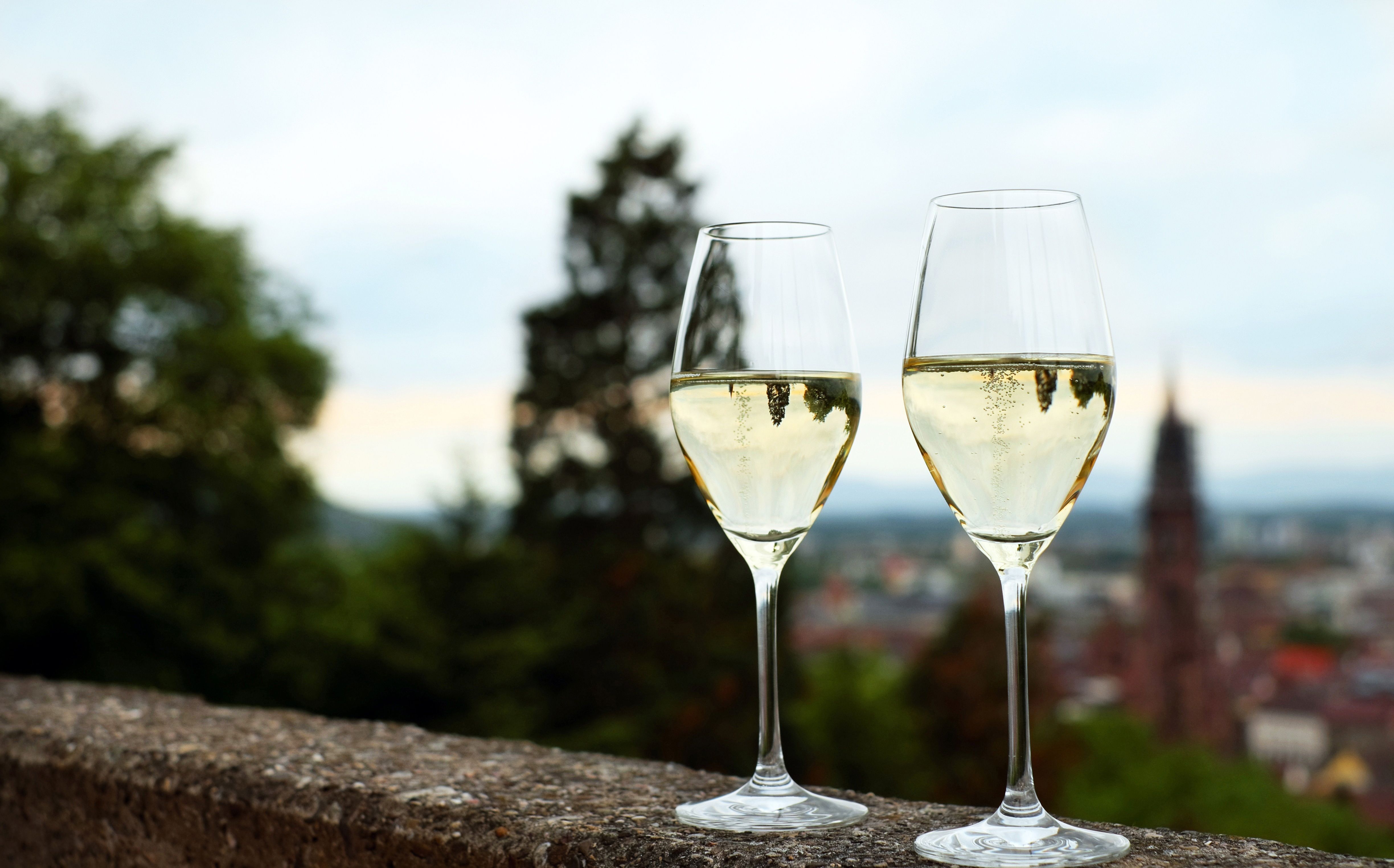 Photo: Ilo Frey
Your Journey — Preview
Arrival Among the Vines
Arrive in Champagne and settle into a stone inn above Rilly-la-Montagne, then stretch your legs among evening vines before a quiet, seasonal dinner with your first glass.
Montagne de Reims & Verzenay
Wake to birdsong, then wander Montagne de Reims’ forest paths and Verzenay’s lighthouse, before a lingering grower tasting and golden-hour vineyard overlook as the valley glows below.
Reims Day, Country Night
Spend an unhurried day in Reims: coffee by the cathedral, a guided nave and stained-glass visit, long lunch, then one grand maison tasting before returning to your countryside base.
Days 4–10 await in the full itinerary
Day-by-day schedules, places, and insider tips — personalized to you.