Your shoes tap softly against worn stone as the last bells of the afternoon echo through Saint-Émilion. The air smells of crushed grape skins and baking bread, and sunlight slides along honey-colored façades, catching vine leaves that creep over old lintels. Around the corner, a tiny wine shop props its door open with a barrel hoop, and someone inside is laughing, the sound spilling into the lane like a welcome.
Days here begin slowly. Morning mist hangs low over the vineyards, softening the lines of the Dordogne Valley while you linger over coffee and a still-warm croissant. From your base in the village, you watch the town wake up: shutters opening, vans unloading crates of produce, locals greeting each other in the square. There’s no rush; the rhythm is set by the bell tower and the weather, not a schedule.
Late morning slides into your first unhurried tasting at a family-run château just outside Saint-Émilion. You walk the rows, the soil crunching underfoot, as your host points out subtle differences in exposure and grape variety. In the cool hush of the cellar, glasses catch the dim light while you compare vintages, learning how the same plot can whisper a different story year to year.
One afternoon, you spread out a picnic blanket between the vines: torn baguette, soft cheese, slices of saucisson, a still-cool bottle opened with a practiced twist. Below, the Dordogne glints between fields and forest. Time seems to thin out into simple decisions—another pour, another piece of cheese, another quiet minute facing the valley.
On another day, you trade terraces for water, pedaling along the canal near Castillon-la-Bataille. The path is flat, the air damp with river breeze and the scent of grass. You pause at a café by the water for a glass of rosé and watch boats idle past, their wakes barely disturbing the surface.
Bordeaux adds a different texture: the bustle of Marché des Capucins, voices bargaining over crates of oysters and pyramids of strawberries. You gather ingredients with a chef, then turn them into lunch in a bright kitchen—learning the small tricks that make a sauce cling just right, or a shallot confit taste like something far greater than its parts.
Even the coast folds gently into this slow arc of days. At Arcachon Bay, you sit at a simple wooden table, seawater drying on your skin, a plate of oysters open in front of you. The air smells of salt and pine. A glass of white wine beads with condensation. Waves murmur against the shore, and for a while, there is nothing to do but taste, listen, and watch the line where the Atlantic meets the sky.
Back in Saint-Émilion, as evening gathers and the village lights blink on one by one, you wander the cobbles without hurry. A couple shares a quiet toast at a terrace. Somewhere, a cork pops. You feel the day easing to a close not with a grand finale, but with the soft certainty that, here, slowing down is not a luxury—it’s simply how life is lived.
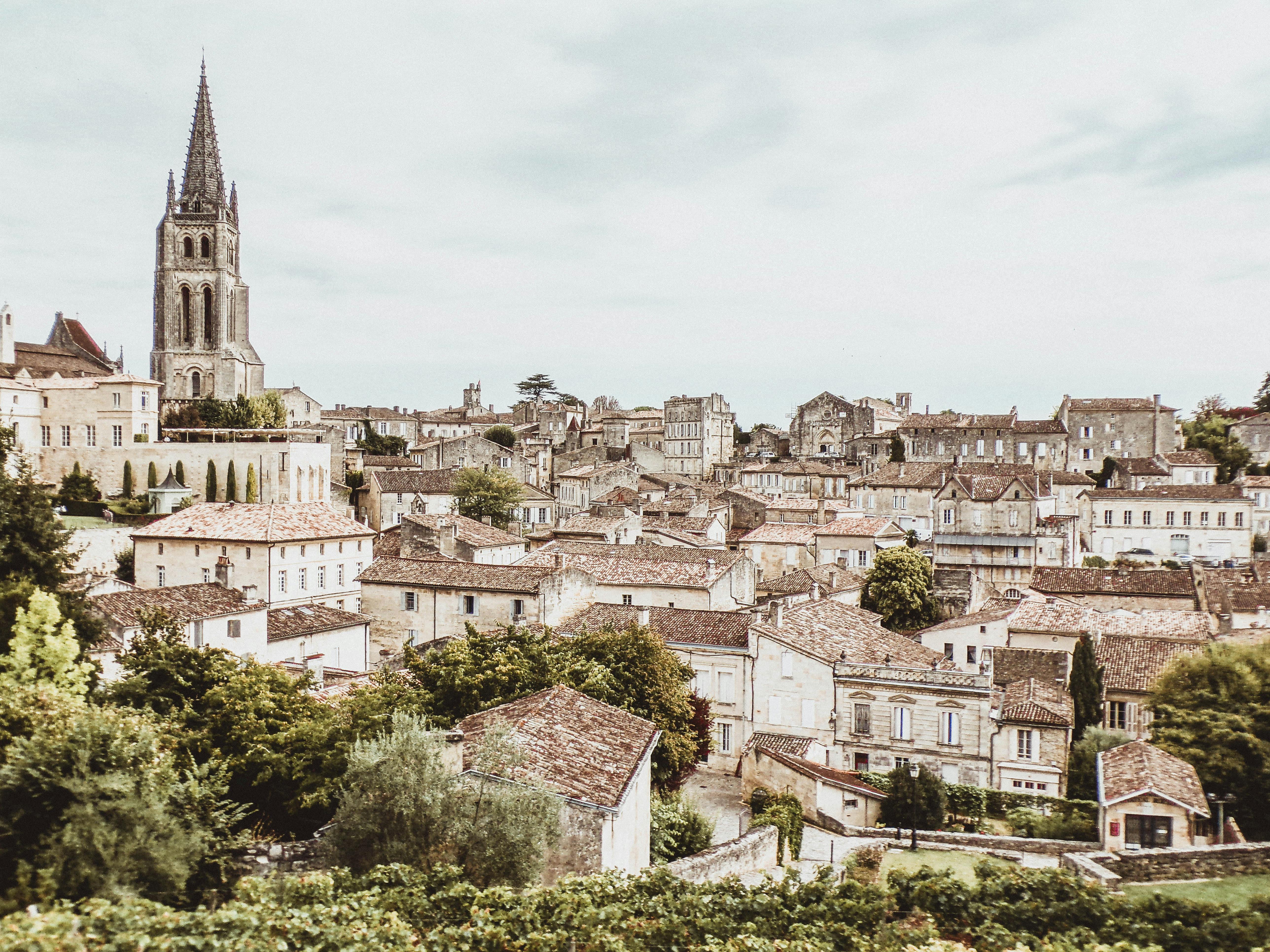 Photo: Niki Nagy
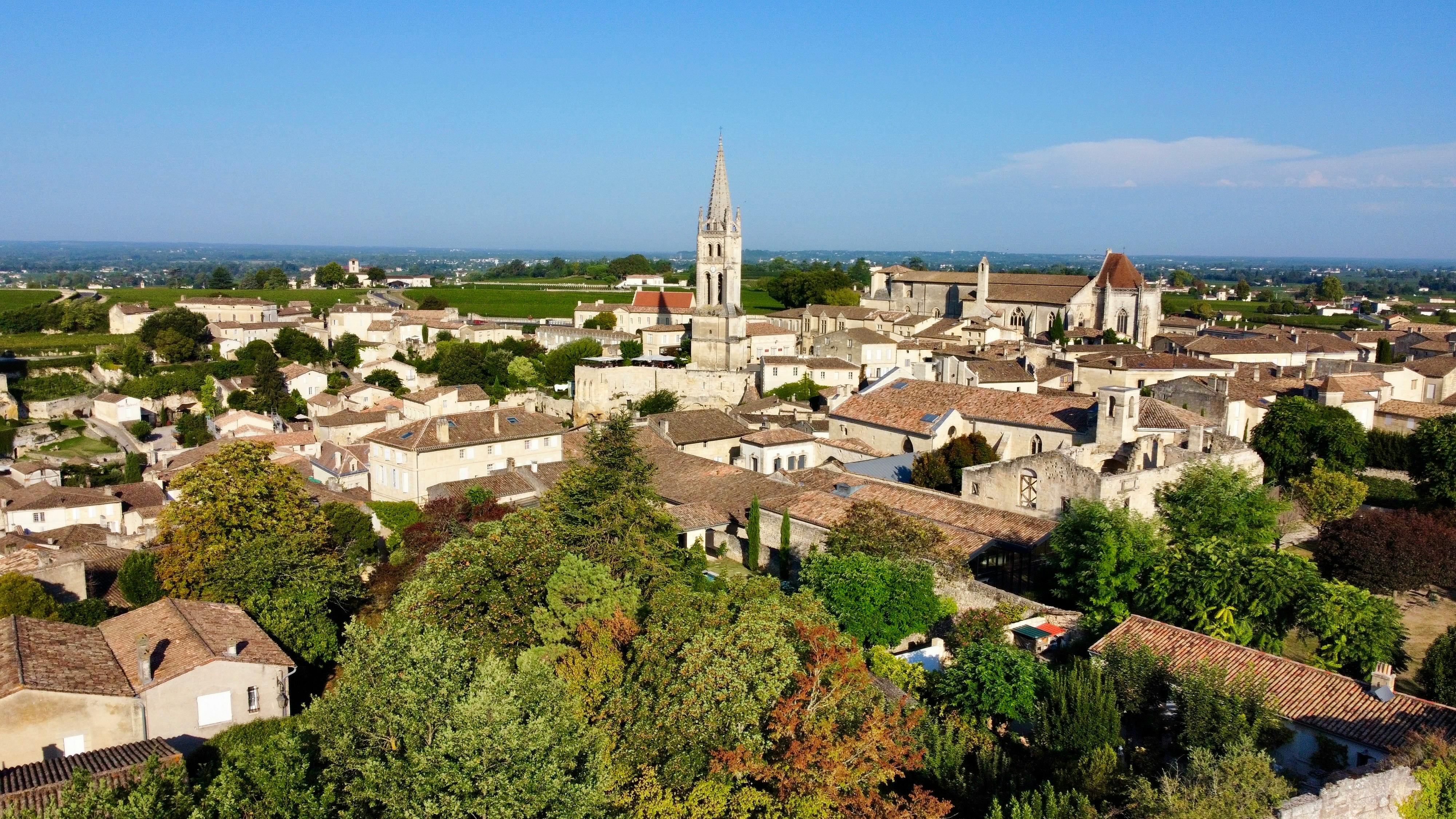 Photo: Philippe WEICKMANN
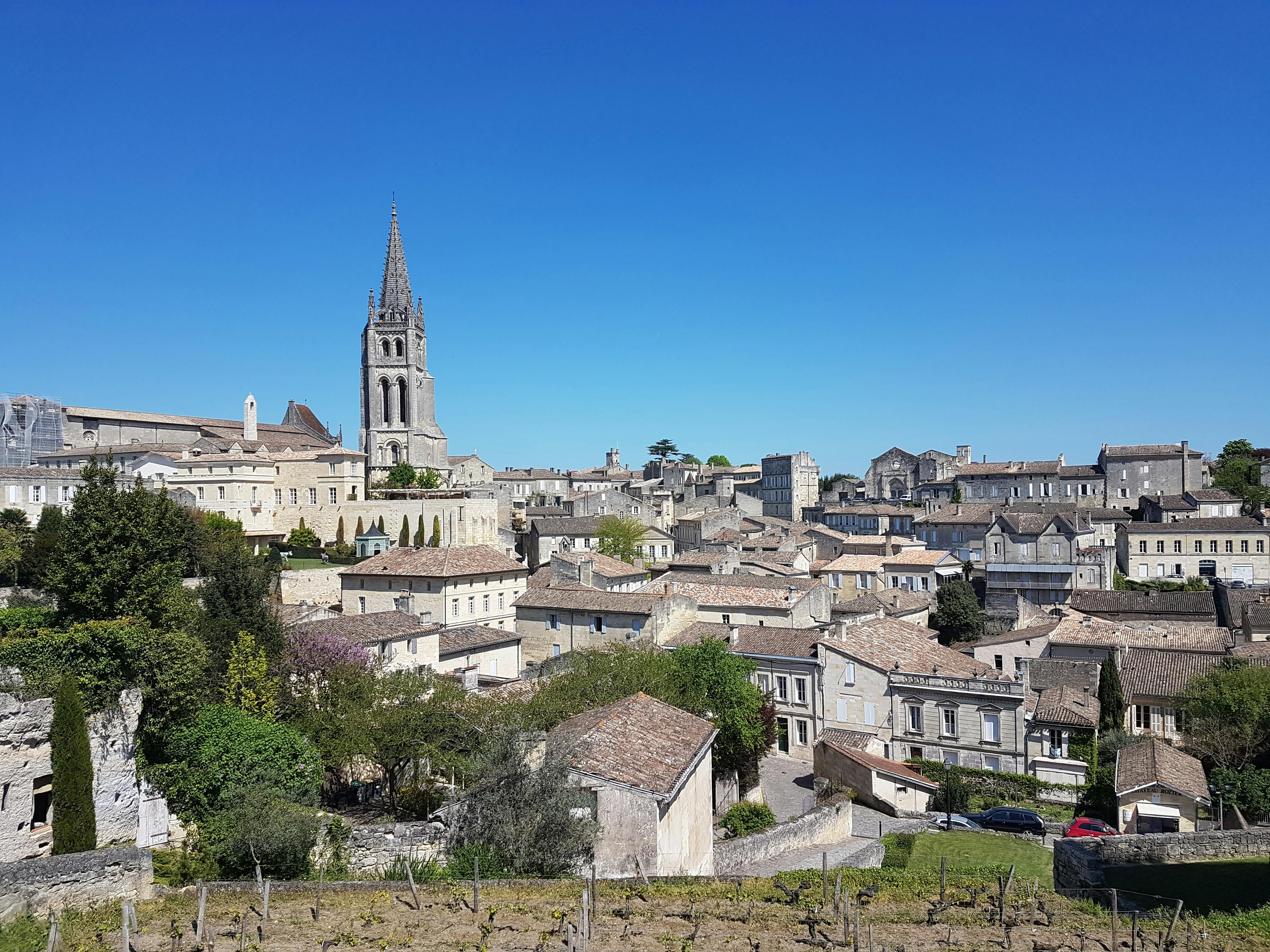 Photo: Oli
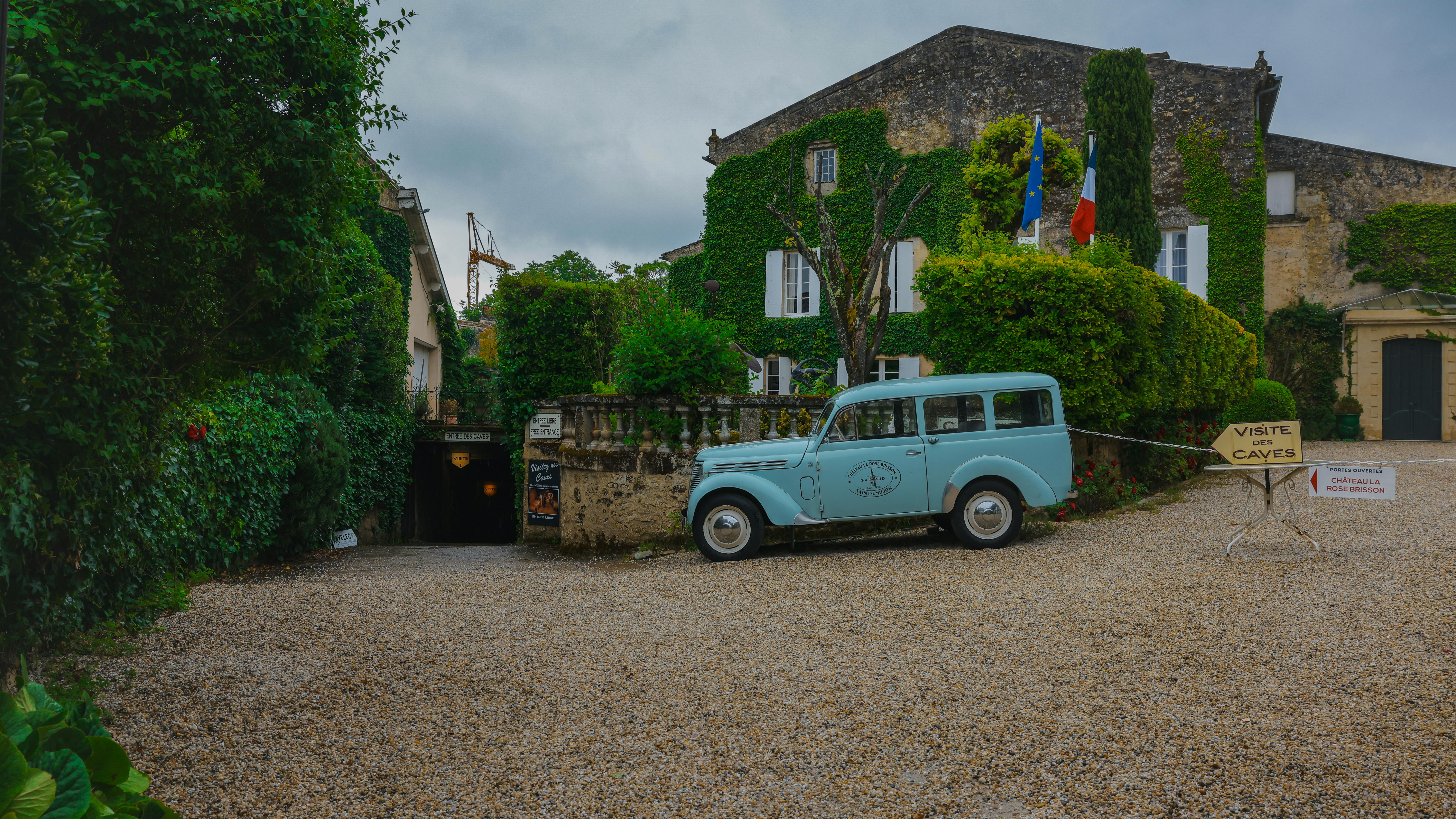 Photo: TBD Traveller
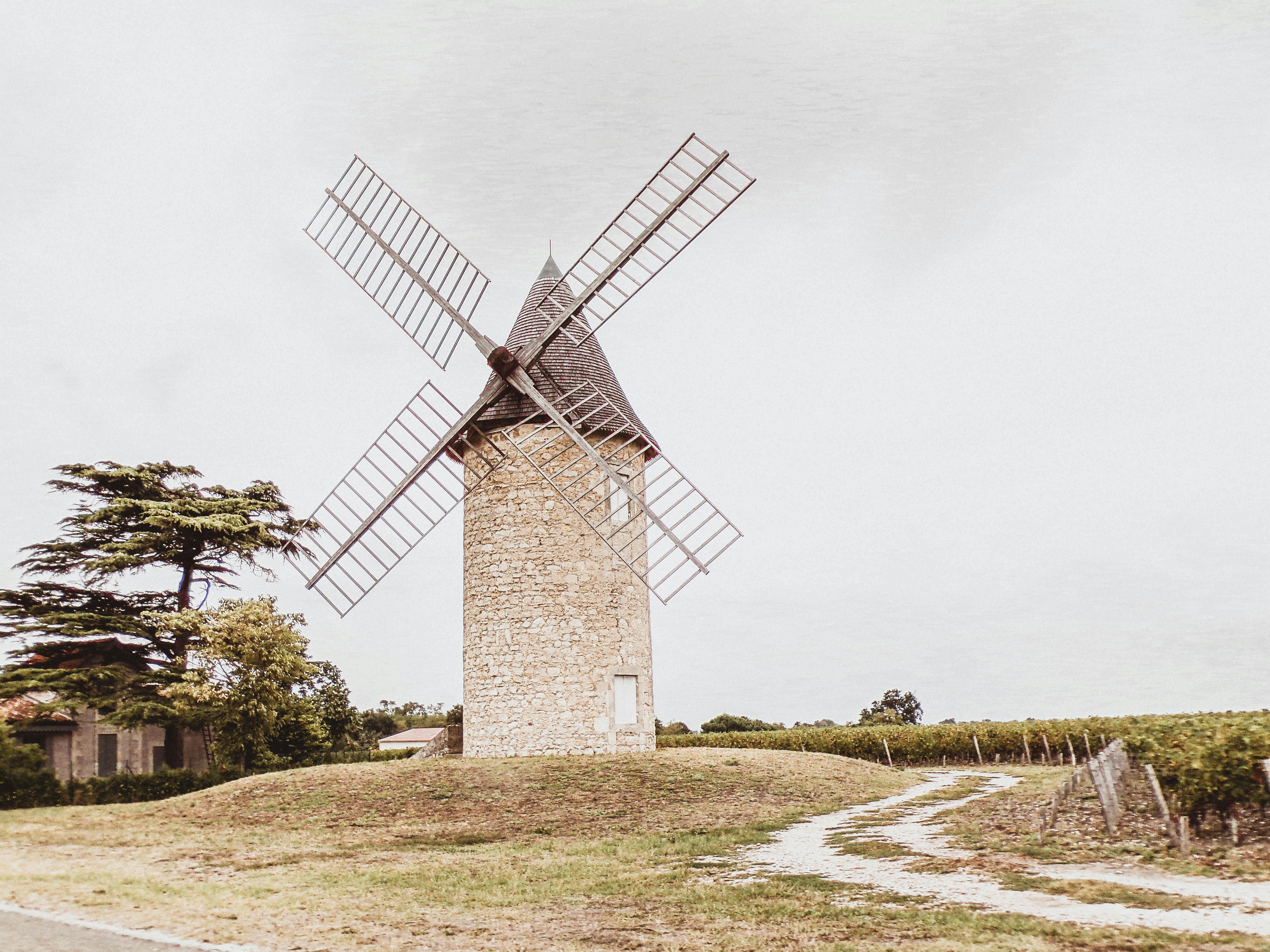 Photo: Niki Nagy
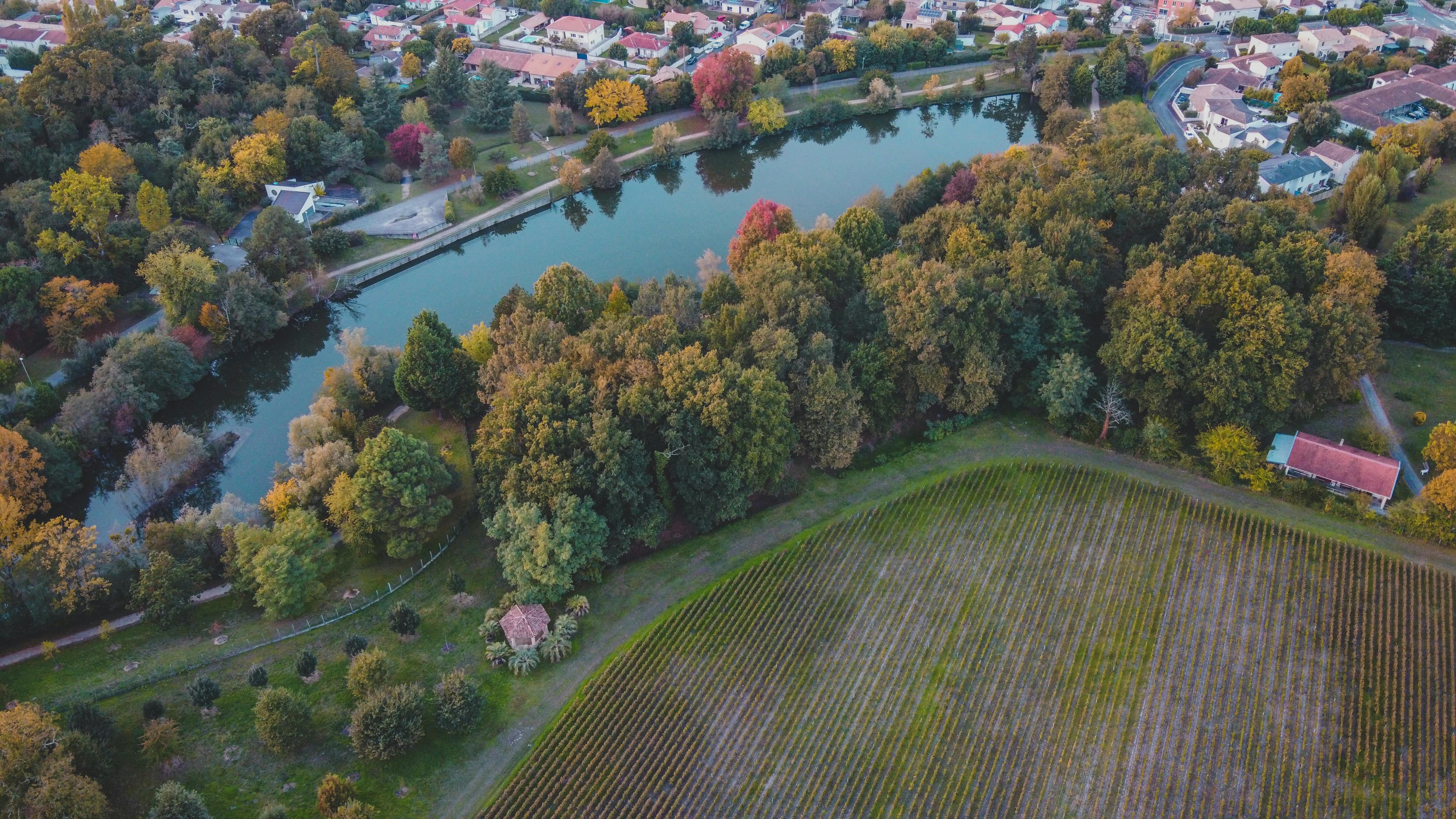 Photo: Czapp Árpád
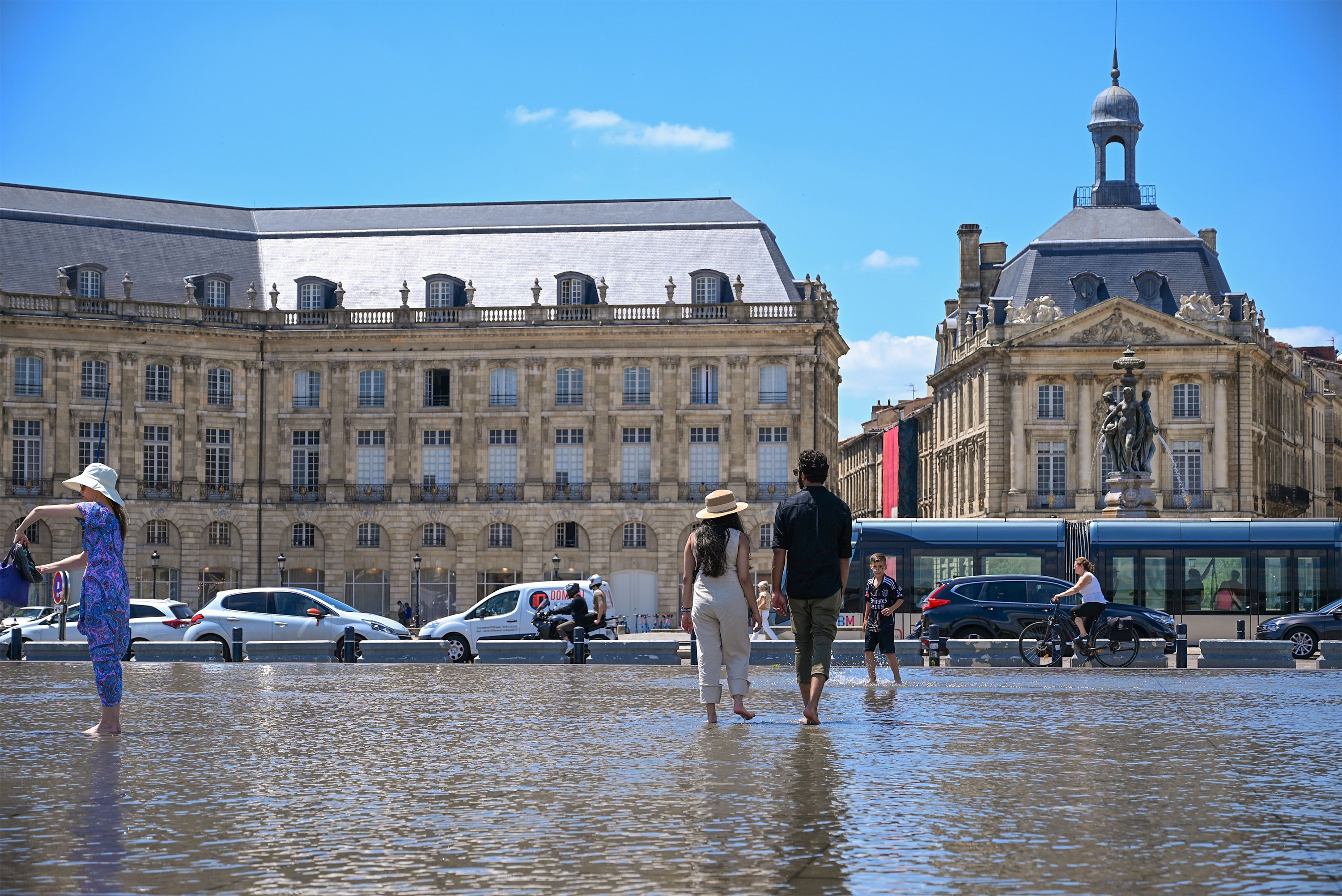 Photo: Didier VEILLON
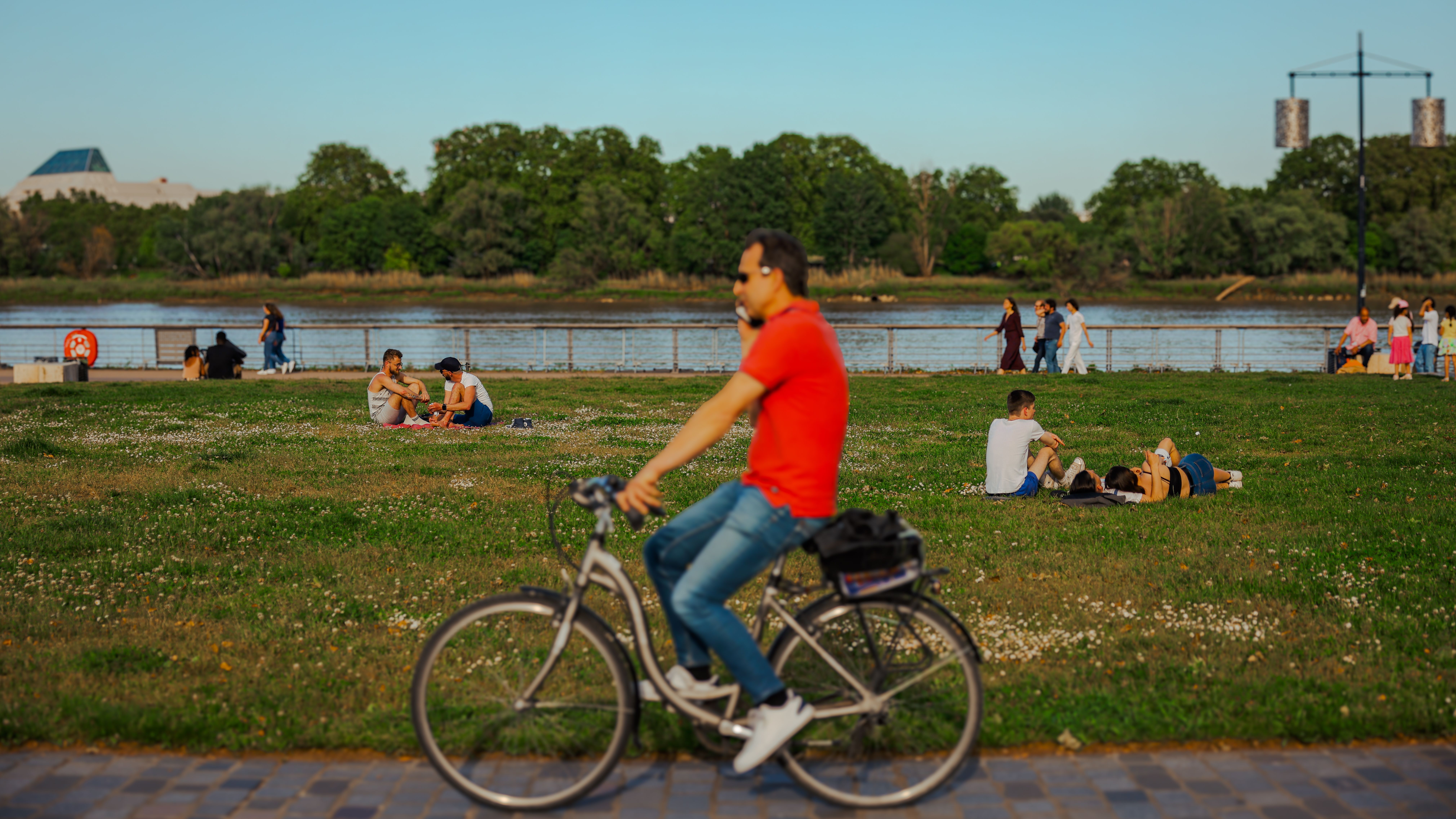 Photo: TBD Traveller
 Photo: TBD Traveller